
Project Description
We deliberately concentrate our efforts on the urban environment, rather than far away natural habitats like jungles or rain forests, because citizens, and school students in particular, connect more strongly and emotionally with their immediate local surroundings. Furthermore, green spaces like parks, lawns, gardens, and uncultivated fallow lands are easily accessible for inquiry-based learning activities, excursions, and recreational activities.
The project aims to address the following issues:
– appreciation of the natural landscapes and features in cities (tree cover, parks, bushes, lawns, fallow spaces, fountains,
river sides)
– create competences to support urban environmental behaviours (protecting biodiversity) – including personal surroundings
like gardens
– awareness of citizen participation in avoiding degradation of ecosystems and destructive city planning that exacerbates
UHIs and destroys urban tree canopy (UTC)
– aggregate a variety of climate protecting approaches (fountains, vertical gardens, etc.)
– build knowledge, skills and attitudes around sustainable living (GreenComp framework)
– generate digital competences to collect and interpret urban environmental data (e.g. CO2 air quality, soil moisture deficits)
Work Packages
Monitoring Green Urban Areas with IoT Technology
Open Content, Method and Pedagogic Design
Learning Activities, Training and Pilots
Urban Synergies: Cross-cutting Activities and Exchange
Project Team
The partners of the SUTEE project consortium

Universidad Politecnica de Madrid
Coordinator

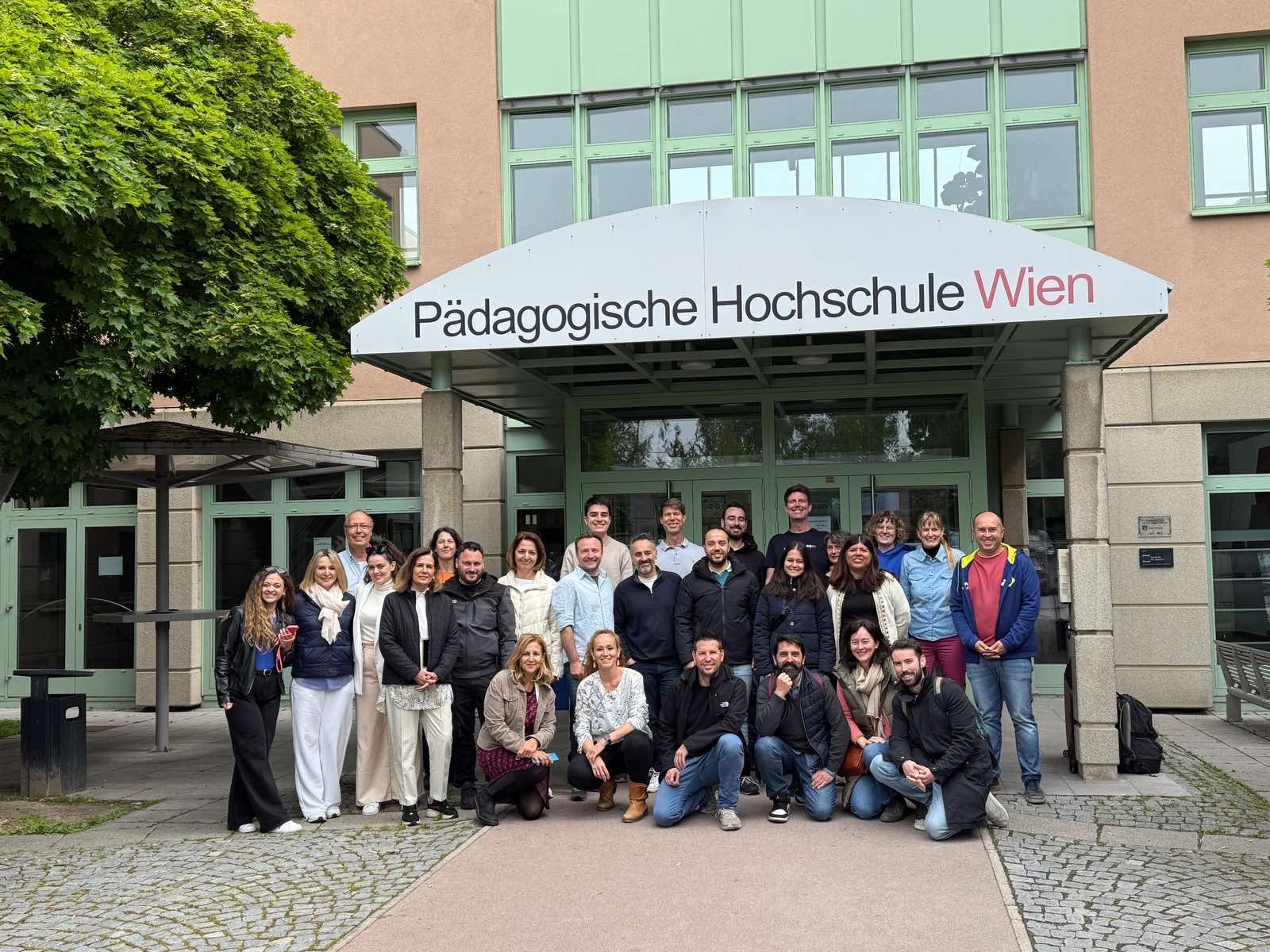
Pädagogische Hochschule Wien
Partner

Doukas School
Partner


OUR OBJECTIVES
The SUTEE project aims to address the following issues
Natural landscape appreciation
appreciation of the natural landscapes and features in cities (tree cover, parks, bushes, lawns, fallow spaces, fountains, river sides)
Citizen Participation
awareness of citizen participation in avoiding degradation of ecosystems and destructive city planning that exacerbates UHIs and destroys urban tree canopy (UTC)
GreenComp
build knowledge, skills and attitudes around sustainable living (GreenComp framework)
Urban environmental behaviors
create competences to support urban environmental behaviours (protecting biodiversity)
Climate protecting approaches
aggregate a variety of climate protecting approaches (fountains, vertical gardens, etc.)
Digital competences
generate digital competences to collect and interpret urban environmental data (e.g. CO2 air quality, soil moisture deficits)