Showcasing Urban Trees for Environmental Education with IoT Technology. SUTEE is an ERASMUS+ Strategic Cooperation Partnership in the field of school education project.
Bringing the forest to kindergarten
On
In Finland, pre-school children are being (re)naturalised by exposing them to natural resources like mud, forest plants and micro-organisms. Some 43 kindergartens and daycare centres across Finland have been awarded €1m of funding to re-naturalise their yards and surroundings, and to expose children to forest biodiversity.
This action is complemented by research looking at the effects on the children’s health. It is evident, that the biosphere inside and outside of the human body are intimately linked, and that the ecological health of the surroundings are reflected in the health of its inhabitants. Humans as part of the environment.
In this research action, the composition of the human microbial biosphere in the children was studied, finding that there were fewer disease-causing bacteria and that they in general had stronger defences against illness. It is also assumed that many people in urban areas are now prone to develop allergies, due to the lack of exposure to microbes present in nature.
The Finnish study is part of a wider network of research into the connections between a schools’ location and the benefits of natural surroundings to children’s health and development. Forest schools, like Rosegger Forest School or Berkeley Forest School in the US are also becoming more popular. Science already found that exposure to plant spaces are linked to our immune system, as well as having positive effects on our psyche.
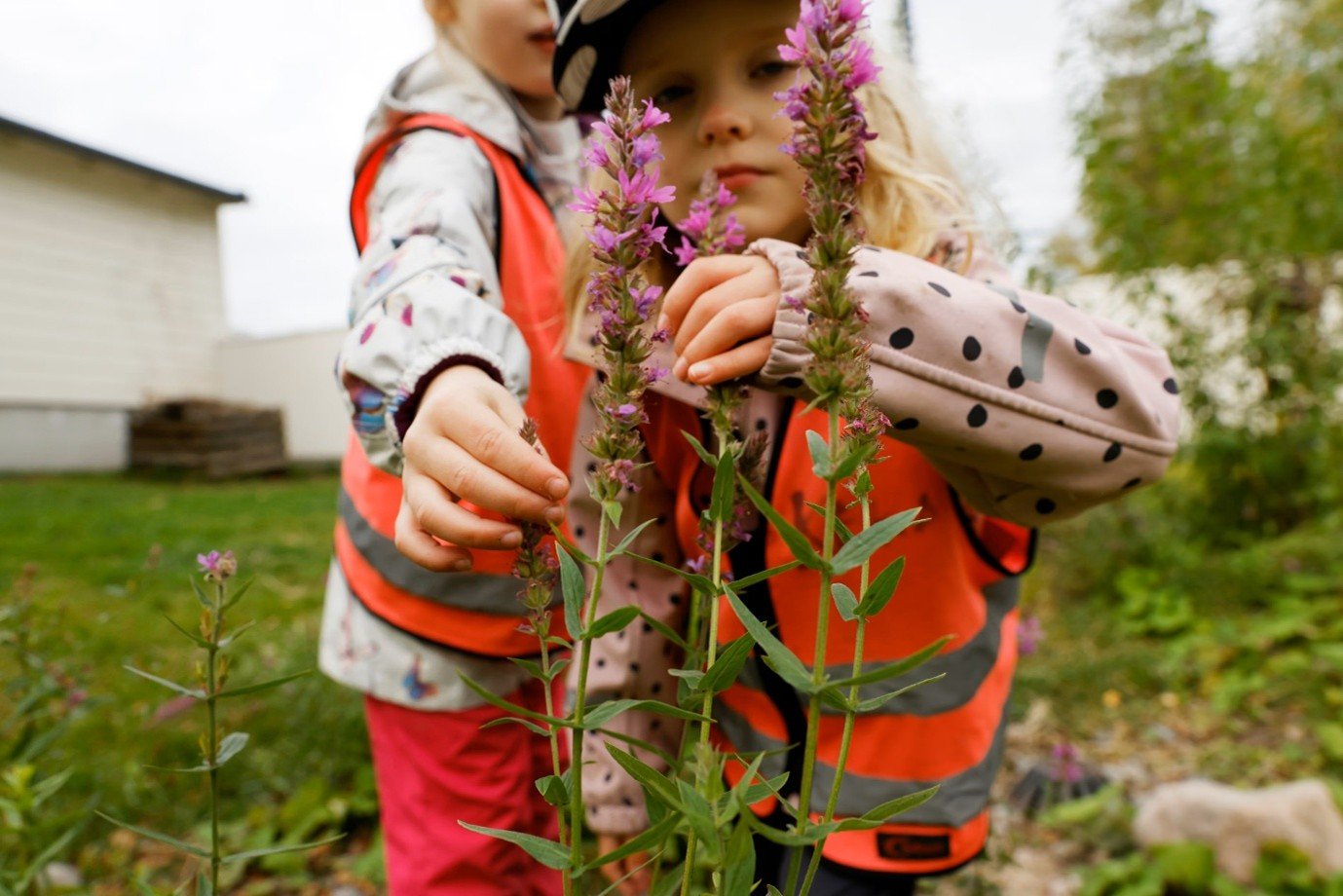
Figure 2. Child exploring a forest supports a healthy immune system